
The Soluble Fiber Alternative
Soluble dietary fiber is a versatile, plant-based ingredient category used in modern food formulations to enhance nutritional value while maintaining taste, texture, and processing performance. It plays a key role in clean-label, fiber-enriched, and sugar-reduced food concepts across a wide range of applications, from beverages to baked goods.
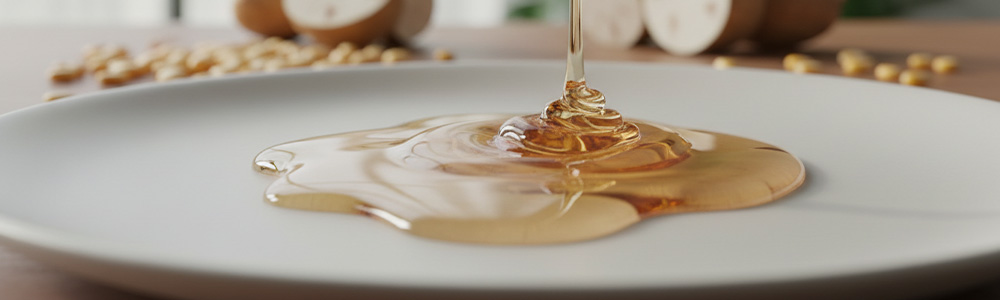
Within this category, both resistant dextrin and fiber syrups offer distinct functional advantages. Resistant dextrin is a low-calorie soluble fiber derived from corn or tapioca starch, while fiber syrups are liquid sweetening solutions in which fiber is the main functional component. These fiber syrups are based on tapioca or corn and contain over 90% fiber, making them highly effective for fiber enrichment and sugar replacement in modern formulations. Unlike many alternative soluble fibers, resistant dextrin preserves taste, texture, and color in finished products, while fiber syrups offer 100% solubility and excellent processing stability. These properties allow manufacturers to increase fiber content and reduce sugar without negatively affecting flavor, appearance, or mouthfeel—an essential requirement for consumer acceptance in fiber-enriched products.